
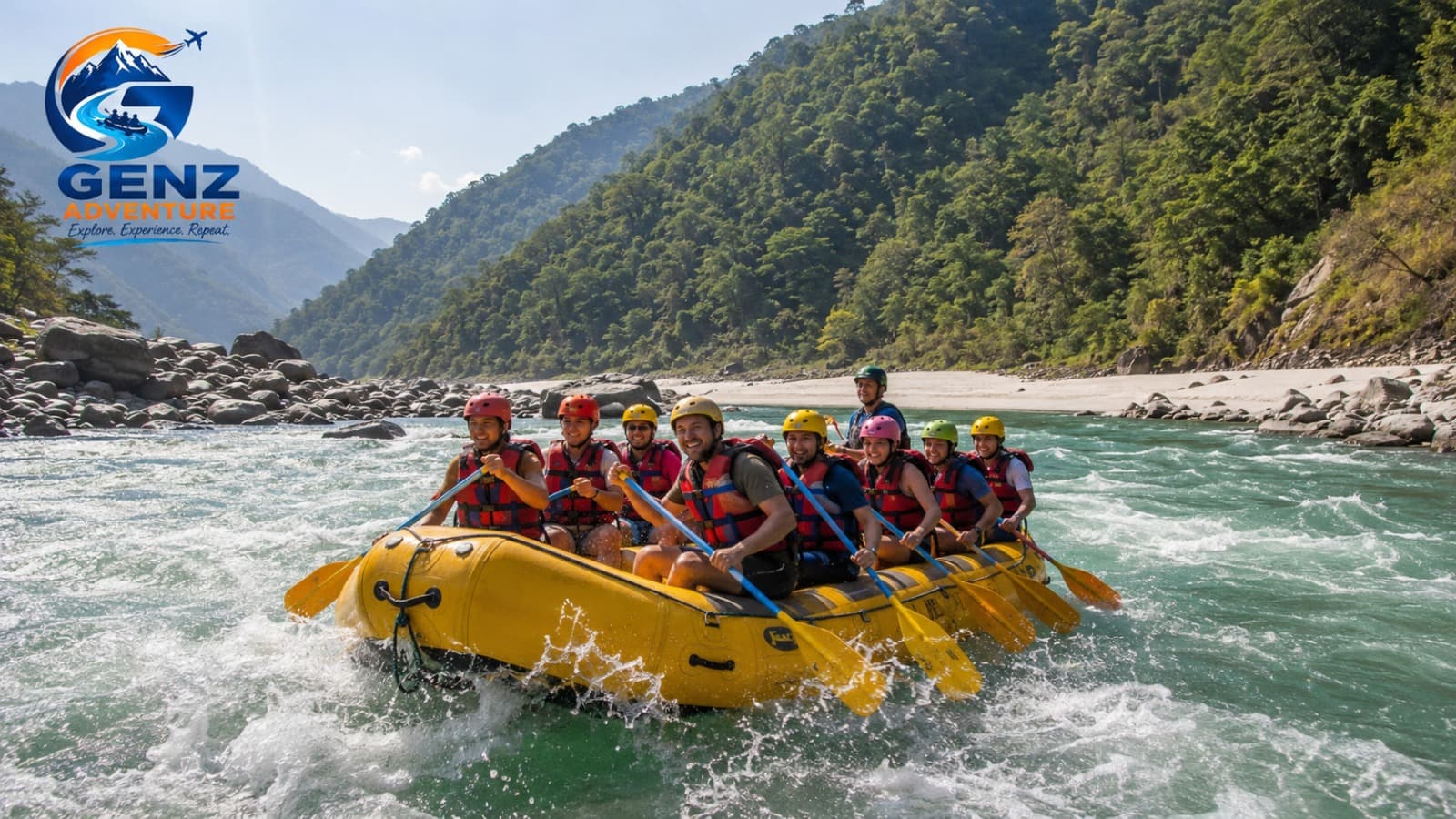
Rafting guide
Rafting Safety Guidelines in Rishikesh
River rafting is an adventure activity that combines excitement, teamwork, and outdoor exploration. While rafting in Rishikesh is conducted under the supervision of trained river guides, every participant should understand and follow basic safety guidelines before entering the river.
Always Wear Approved Safety Equipment
Safety equipment is the first line of protection during a rafting trip. Participants should never enter the raft without wearing the required safety gear provided by the operator.
Before starting the trip, ensure that your life jacket and helmet fit correctly and are securely fastened. If any equipment appears damaged or improperly fitted, request a replacement before entering the river.
- Personal flotation device (life jacket)
- Safety helmet
- Paddle
- Properly fitted rafting gear
Attend the Pre-Rafting Safety Briefing
Professional rafting operators conduct a safety briefing before every trip. This briefing is designed to help participants understand river conditions, paddling techniques, emergency procedures, and guide commands.
Even experienced rafters should pay close attention to the safety briefing, as river conditions can vary between routes and seasons.
- Basic paddling instructions
- Forward and backward paddle commands
- Safe seating positions
- What to do if someone falls into the water
- Emergency rescue procedures
Follow Your River Guide's Instructions
River guides are trained to navigate rapids, assess river conditions, and manage safety during the trip.
Ignoring guide instructions can increase the risk of accidents, particularly while navigating larger rapids.
- Listen carefully to guide instructions
- Respond quickly to paddling commands
- Remain seated when instructed
- Avoid unnecessary movement inside the raft
Choosing a Safe Rafting Route
Not all rafting routes offer the same level of difficulty. Selecting a route that matches your experience and comfort level is an important safety consideration. See our rafting in Rishikesh guide for a full route overview.
Beginner-Friendly Routes
The Brahmapuri stretch is commonly considered suitable for beginners because it includes relatively easy rapids and a shorter rafting duration. Suitable for first-time rafters, families, school and college groups, and visitors seeking a mild adventure experience.
Intermediate Routes
The Shivpuri stretch is one of the most popular rafting routes and offers a balance between excitement and accessibility. Suitable for adventure seekers, corporate groups, and travelers with moderate fitness levels.
Advanced Routes
Longer routes such as Marine Drive and Kaudiyala involve more challenging rapids and greater physical demands. These routes are generally better suited for participants who are comfortable with adventure activities and are prepared for longer periods on the river.
Medical and Physical Considerations
Inform Your Guide About Medical Conditions
Participants should disclose any relevant medical conditions before the rafting trip begins, including heart conditions, recent surgeries, serious back or neck injuries, epilepsy or seizure disorders, and severe respiratory conditions. Providing accurate information allows operators to assess whether rafting is appropriate for your situation.
Understand Age and Fitness Requirements
Different rafting routes may have different eligibility requirements based on river conditions and operator policies. Before booking, confirm minimum age requirements, check fitness recommendations, and verify route suitability for children or senior travelers.
What to Do If You Fall Into the Water
Although safety procedures are designed to minimize incidents, participants should understand basic self-rescue techniques. Panic can make a situation more difficult, while staying calm helps guides perform rescue procedures effectively.
- Remain calm
- Do not attempt to stand in fast-moving water
- Float on your back with your feet pointed downstream
- Listen for instructions from your guide
- Allow trained rescue personnel to assist if required
Choosing Licensed and Safety-Focused Rafting Operators
Selecting the right operator is one of the most important safety decisions you can make. Learn how to evaluate operators in our verified rafting operators in Rishikesh guide.
Are the Guides Properly Trained?
Experienced river guides should be familiar with local river conditions, rescue procedures, and rafting operations.
Is Safety Equipment Provided?
- Life jackets
- Helmets
- Paddles
- Safety briefing before departure
Are Emergency Procedures in Place?
- Rescue support arrangements
- Communication systems
- Emergency response procedures
Is the Operator Transparent About Safety Policies?
Responsible operators are generally willing to explain their safety practices, route details, and participant requirements before accepting bookings.
Safety Tips for First-Time Rafters
Check our best time for rafting in Rishikesh guide when planning your trip dates.
- Wear comfortable quick-drying clothing
- Avoid carrying valuables on the raft
- Stay hydrated before the activity
- Wear secure footwear suitable for water activities
- Follow guide instructions throughout the trip
- Choose a route appropriate for your experience level
Final Thoughts
Rafting in Rishikesh can be an exciting and memorable adventure when conducted responsibly. Proper safety equipment, trained guides, suitable route selection, and adherence to safety instructions all contribute to a safer experience on the river.
Before booking your rafting trip, take time to verify the operator's safety standards, understand the route difficulty, and ensure the activity is appropriate for your fitness level and experience.
Need Help Planning a Safe Rafting Trip?
GenZ Adventures helps travelers compare rafting routes, understand safety considerations, and make informed booking decisions.
Browse live rafting listings or contact us at +91 80770 25219 for assistance.